

From the Sea to Your Neck: The Origin of Pearl Jewellery
The Roman Empire was also known for its love of pearl jewellery and would often display them in their palaces and on their clothing.

- Advertisement -
Pearl Jewellery has been a cherished and prized accessory for centuries, but how did it come into existence? The origin of pearl jewellery dates back thousands of years and has an interesting history.
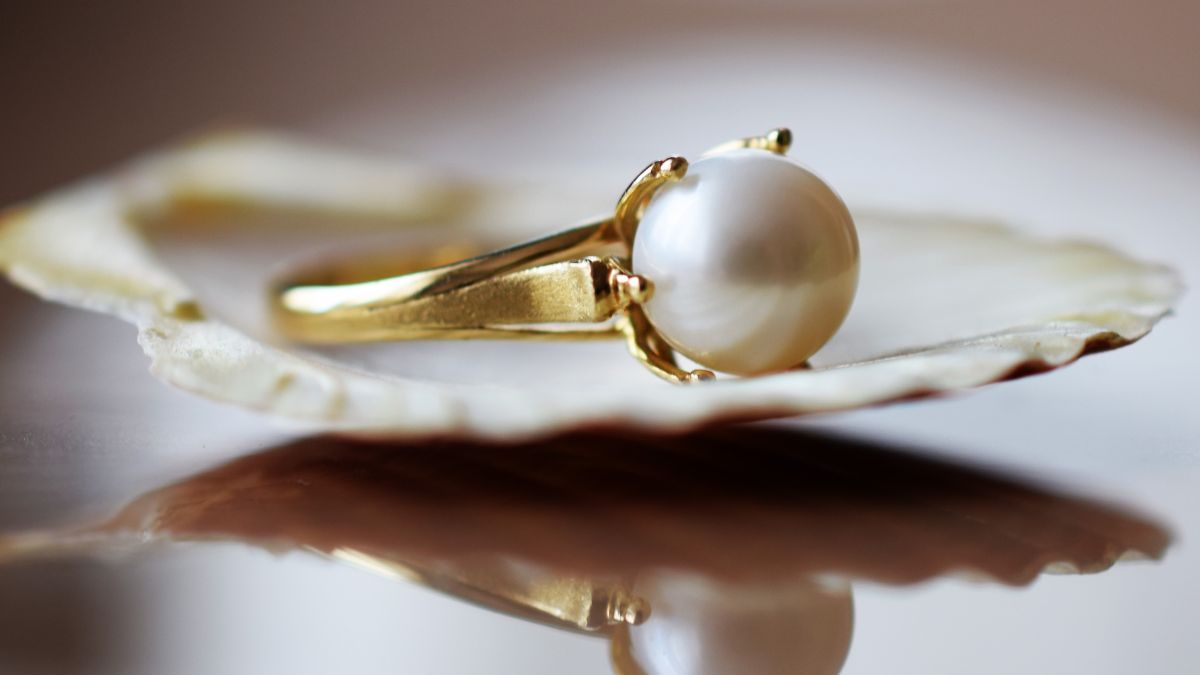
Pearls are the only gemstones that are created by living creatures. The process of forming a pearl begins when a foreign object, such as a grain of sand, enters an oyster or mollusc. In response to the irritant, the oyster secretes a substance called nacre, which coats the irritant layer upon layer, creating a pearl.
Pearls were first discovered by ancient civilizations such as the Chinese, Indians, and Egyptians. They were often worn by royalty and were considered symbols of wealth and power. The Roman Empire was also known for its love of pearl jewellery and would often display them in their palaces and on their clothing.
In the Middle Ages, pearls were highly valued and were often used to adorn religious objects and clothing. During the Renaissance period, pearls were once again a popular accessory and were used to create elaborate jewellery designs.
In the 19th century, the development of cultured pearls revolutionized the pearl industry. Cultured pearls are formed when a small bead is inserted into an oyster or mollusc, and the nacre grows around it. This allowed for the production of pearls on a larger scale and made pearl jewellery more accessible to the masses.
Today, pearl jewellery is still highly valued and is a staple in many collections. From classic pearl necklaces to modern and unique designs, the beauty and elegance of pearls continue to captivate and enchant jewellery lovers around the world.