

The history of women’s watches!: From workplaces to fashion aesthetics!
As women entered the workforce in the 20th century, they needed more functional watches that could keep up with their busy schedules.

- Advertisement -
Watches have been a symbol of style and sophistication for centuries, and the history of women’s watches is no exception. In the early days of watches, women’s watches were designed as pieces of jewellery rather than functional timepieces. They were often encrusted with precious stones and made of delicate materials like gold and silver.
In the late 19th century, watchmakers began to create watches specifically designed for women, featuring smaller cases and more delicate straps. Women’s watches became popular accessories, worn for fashion rather than practicality.
As women entered the workforce in the 20th century, they needed more functional watches that could keep up with their busy schedules. The development of the wristwatch made it possible for women to keep track of time while on the go, and women’s watches became more versatile and durable.
In the 1960s and 70s, women’s watches took on a new look, with bold, colourful designs and oversized faces. As the decades progressed, women’s watches became more androgynous in style, with many women opting for larger, more masculine watches.
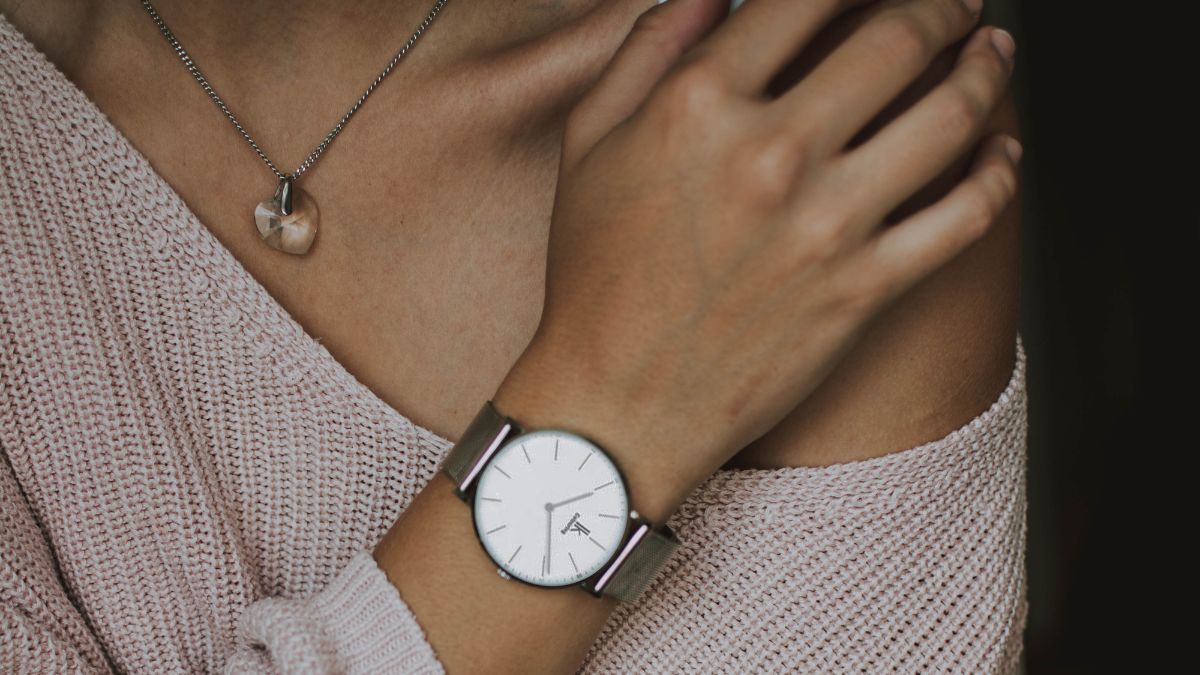
Today, women’s watches come in a wide range of styles, from classic and elegant to sporty and functional. Many watchmakers now offer interchangeable straps and watch faces, allowing women to customize their watches to suit their personal style.
Whether as a functional timepiece or a stylish accessory, women’s watches continue to be an important part of fashion history and a reflection of changing attitudes towards gender and style.